Motivational Wall Art: Success-Driven Canvas Prints for Modern Spaces
Success is not only built through discipline, strategy, and action. The environments we surround ourselves with also influence how we think, focus, and pursue our goals. This is one of the reasons why motivational canvas wall art has become increasingly popular in modern interiors, offices, and creative workspaces.
More than simple decoration, motivational canvas prints act as constant visual reminders of ambition, focus, and purpose. The artwork people choose to place on their walls often reflects their mindset, aspirations, and personal philosophy. Whether displayed in a home office, a business environment, or a personal studio, the right motivational wall art can shape the energy of a space and reinforce the ideas that drive success.
Large canvas pieces are particularly powerful because they naturally become focal points within a room. A bold quote, symbolic imagery, or a success-driven composition can instantly transform an ordinary wall into a visual statement that inspires productivity and determination.
In modern interior design, motivational canvas wall art is no longer just about decoration. It is about creating environments that support focus, ambition, and personal growth.
Why Motivational Canvas Wall Art Matters in Goal-Driven Spaces
Successful people often pay attention to the environments in which they work and live. Offices, studios, and personal workspaces are designed not only for functionality but also for psychological influence. Visual cues play an important role in maintaining clarity, motivation, and long-term focus.
Motivational canvas wall art works as a subtle but constant source of reinforcement. Seeing a powerful phrase, an iconic symbol of ambition, or a success-driven design every day can help keep long-term goals present in your mind.

Unlike temporary sources of motivation such as videos or social media content, wall art remains permanently visible in your environment. This constant visual presence helps anchor your mindset and reminds you of the direction you want your life and career to take.
For many entrepreneurs, creators, and professionals, motivational canvas prints become part of the identity of their workspace. The artwork on the wall communicates the values behind the work being done in that space.
Daily Visual Inspiration Through Motivational Canvas Prints
One of the most powerful aspects of motivational wall art is its ability to provide daily inspiration without requiring conscious effort. Simply seeing a success-focused message or image throughout the day can reinforce positive habits and keep your attention aligned with your ambitions.
Motivational canvas prints are often placed in areas where people spend the most time thinking, working, or planning. Home offices, work studios, and creative environments benefit greatly from visual elements that encourage productivity and determination.

Typography-driven canvas designs are particularly effective for this purpose. Bold statements, minimalist phrases, and powerful visual symbolism create artwork that is both visually striking and mentally stimulating.
Large motivational canvas wall art pieces can serve as a daily reminder of the mindset required to pursue long-term success.
Goal Visualization Through Success-Inspired Wall Art
Visualization is a concept frequently used by entrepreneurs, athletes, and high-performing professionals. The idea is simple: the more clearly a goal is represented in your mind, the easier it becomes to focus your actions toward achieving it.
Motivational canvas wall art helps transform abstract ambitions into visible symbols within your environment. Artwork that represents success, ambition, wealth, or achievement keeps those ideas present in your daily surroundings.

When placed strategically in a workspace or office, success-driven canvas prints can reinforce clarity and direction. Every glance at the artwork becomes a subtle reminder of the goals you are working toward.
This is why motivational wall art is frequently used in modern offices, entrepreneurial environments, and productivity-focused interiors.
How Motivational Wall Art Reinforces Focus and Determination
Focus is one of the most valuable assets for anyone pursuing ambitious goals. In a world filled with distractions, maintaining a clear direction requires constant reinforcement.
Motivational canvas wall art can act as a visual anchor within a room. A powerful design or quote displayed on the wall becomes a reference point that keeps attention aligned with what truly matters.

Unlike temporary motivation that fades quickly, wall art remains part of the physical environment. Over time, the repeated exposure to these visual cues can strengthen determination and persistence.
Many modern workspaces intentionally incorporate motivational canvas prints because they contribute to an atmosphere that encourages discipline and productivity.

Creative Energy and Innovation Through Motivational Artwork
Art has always played a role in stimulating creativity and new ideas. Motivational artwork is no exception. Visual symbolism, powerful typography, and dynamic compositions can spark creative thinking and encourage problem-solving.
In creative work environments, motivational canvas wall art can serve as both inspiration and decoration. Designers, entrepreneurs, and content creators often use visually impactful artwork to cultivate an atmosphere where ideas can flow freely.
A bold motivational canvas print placed within a workspace can influence how the entire room feels. Instead of a neutral environment, the space becomes one that communicates ambition, movement, and progress.
This type of visual energy can help foster innovation and creative exploration.
Creating Spaces That Reflect Purpose and Ambition
Interior design is increasingly focused on identity and personal expression. The artwork chosen for a room often communicates the personality, goals, and interests of the person who occupies that space.
Motivational canvas wall art is particularly effective in environments where productivity and personal growth are priorities. The presence of success-driven artwork can transform a simple office or workspace into a place that reflects ambition and purpose.

Whether through bold typography, symbolic imagery, or minimalist designs, motivational canvas prints allow individuals to shape their surroundings in a way that supports their mindset and long-term vision.
In many modern interiors, wall art is no longer simply decorative. It becomes part of the narrative that defines the space.
Transforming Modern Interiors with Motivational Canvas Wall Art
Motivational wall art has become a defining element in many modern interiors, especially in offices, studios, and work-focused living spaces. The right piece of artwork can instantly elevate the atmosphere of a room while reinforcing the ideas that drive productivity and ambition.
Large canvas wall art is particularly effective for creating strong visual impact. These pieces naturally become focal points that shape the energy and identity of a space.
Motivational canvas prints work especially well when combined with contemporary design elements such as minimalist furniture, modern lighting, and clean architectural lines. Together, these elements create environments that feel intentional, focused, and inspiring.
For people who value growth, entrepreneurship, and achievement, motivational wall art is more than decoration. It becomes part of the environment that supports their daily mindset.

Explore Motivational Canvas Wall Art at DesignGeo
Choosing the right motivational canvas wall art is about selecting artwork that reflects the mindset and energy you want your space to communicate.
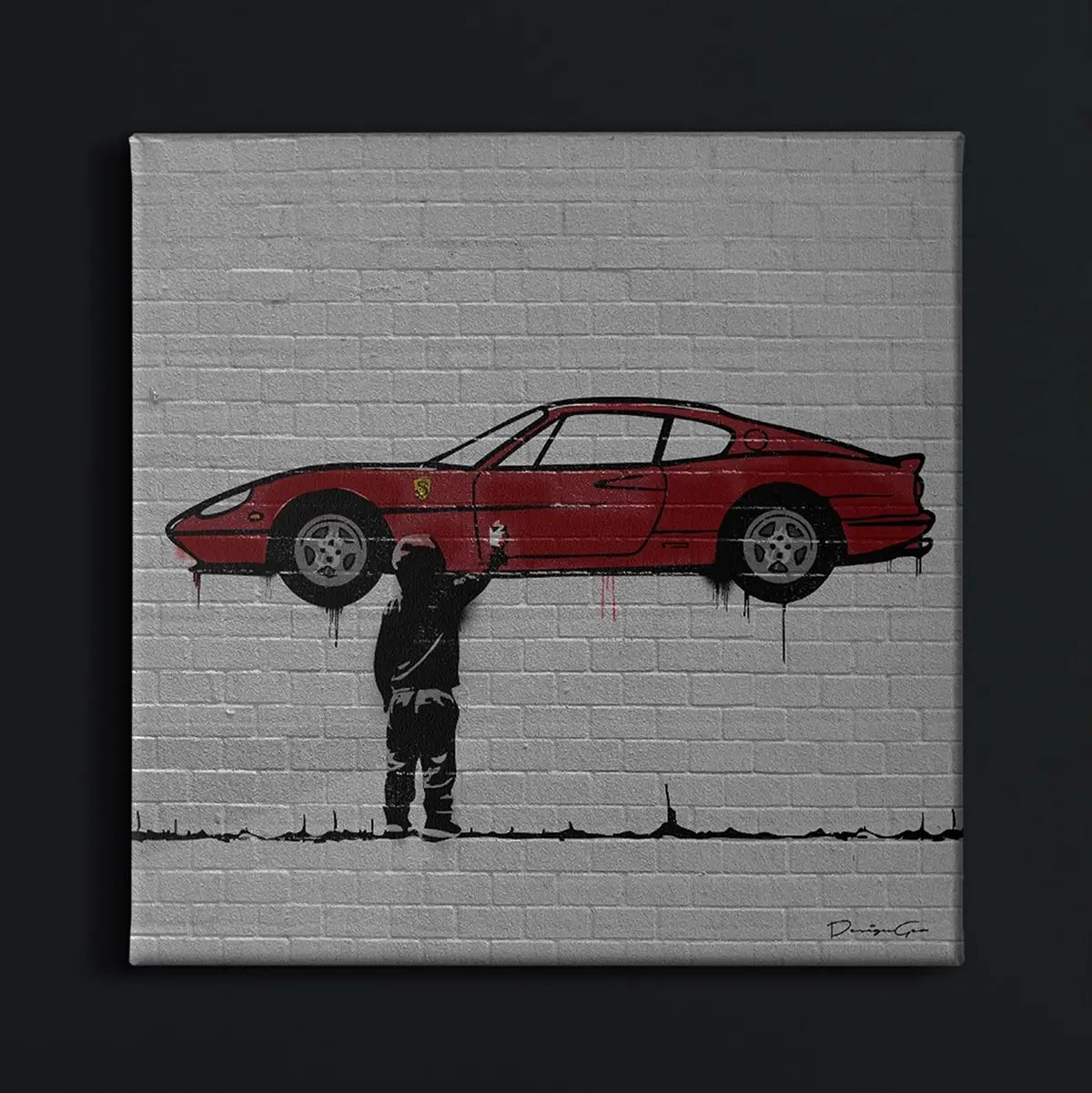
At DesignGeo, our motivational canvas prints are designed around powerful visual symbolism, bold typography, and success-driven themes that resonate with modern entrepreneurs, creators, and ambitious individuals.
Our collections feature artwork inspired by ambition, financial mindset, personal growth, and modern success culture. These canvas pieces are designed to create strong visual statements in offices, studios, and contemporary interiors.
Each design is released as part of a limited series, ensuring that every canvas maintains a sense of exclusivity. Once a design sells out, it is not restocked, allowing the catalog to continually evolve with new artwork and fresh visual concepts.

Whether you're designing a home office, upgrading a creative workspace, or simply looking to introduce powerful visual energy into your environment, motivational canvas wall art can transform the atmosphere of your space while reinforcing the mindset that drives success.

Written by DesignGeo



Leave a comment
This site is protected by hCaptcha and the hCaptcha Privacy Policy and Terms of Service apply.